What Are the Top Solar Systems for Homes and Businesses?
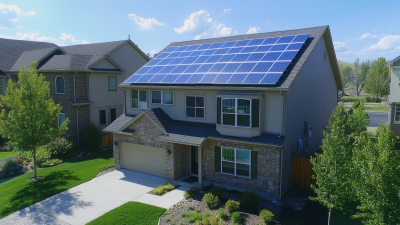
Choosing the right Solar Systems begins with the building, not the sales brochure. A suburban home may need a compact rooftop array, while a warehouse could support a larger commercial installation. Roof direction, shading, local weather, electricity rates, and available space all change the answer.
Fatih Birol, Executive Director of the International Energy Agency, said, “Solar electricity is now the cheapest electricity in history.” That statement reflects solar power’s falling costs, but it does not make every system equally suitable. A household might prefer high-efficiency monocrystalline panels, a hybrid inverter, and a battery for evening use. A business may value commercial-scale panels, demand management, and monitoring software more than maximum battery capacity.
Real performance depends on details people often overlook. A chimney can cast a narrow shadow across several panels. Dust can reduce output. An undersized inverter may limit production during bright midday hours. Local installers should measure these risks, explain maintenance requirements, and provide realistic generation estimates rather than impressive promises.
No single system wins everywhere. Homes with stable grid access may choose solar without storage. Businesses facing peak-demand charges could gain more from batteries. In storm-prone areas, resilience may matter more than the shortest payback period. Even careful recommendations remain imperfect because utility prices and weather patterns change. The strongest Solar Systems combine tested equipment, transparent warranties, professional installation, and a design based on measured site conditions. That is where informed comparison becomes more valuable than a simple “best system” list.
How Solar Systems Work for Homes and Businesses
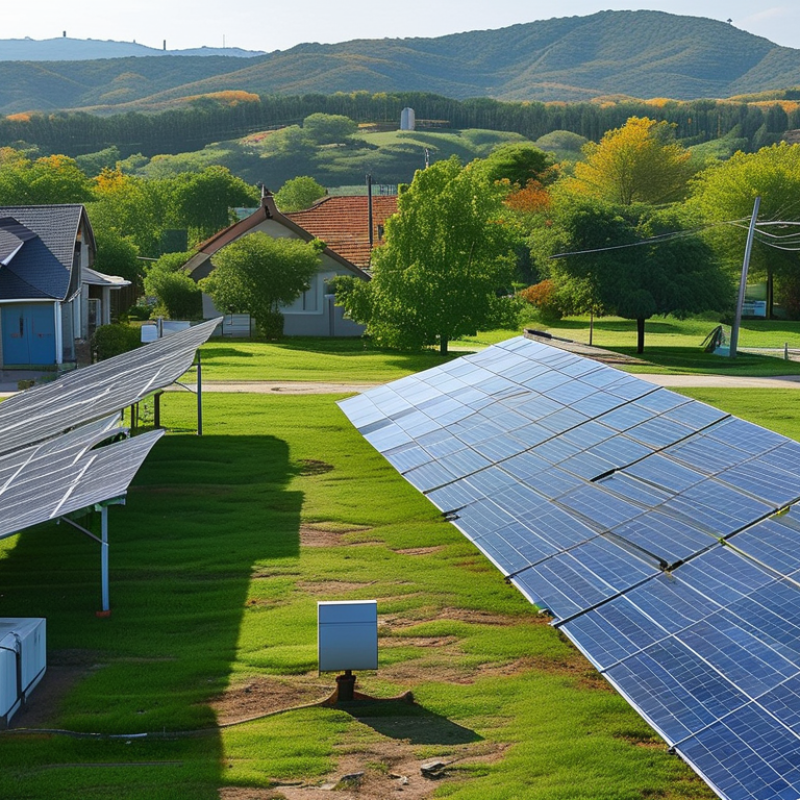
Solar systems for homes and businesses use photovoltaic panels to convert sunlight into direct-current electricity. It starts with sunlight. Each panel sends power to an inverter, which changes it into alternating current for normal appliances. Electricity then travels through the building’s electrical panel. A home may use it for lighting, refrigeration, heating, and charging devices. Extra power can charge a battery or flow to the utility grid, depending on local rules and equipment.
Businesses often install larger arrays on flat roofs, carports, or nearby ground structures. Their energy demand may rise during sunny hours, when offices, workshops, and cooling systems operate. This timing can improve solar use on-site. Batteries can store midday electricity for evening operations, but they add cost, weight, and maintenance needs. An energy audit should examine hourly consumption, roof strength, shading, and future expansion plans. Clouds still matter. Production changes with weather and seasons.
Reliable performance depends on proper design, installation, and monitoring. A qualified professional should check electrical safety, roof condition, system capacity, and local permitting requirements. In practice, a small chimney shadow can reduce output more than many owners expect. Online monitoring can reveal weak production, inverter warnings, or unusual nighttime consumption. Panels usually need limited maintenance, although dust, leaves, and snow may reduce generation. Solar power is not automatically the cheapest choice for every building. Financing terms, battery replacement, grid policies, and roof repairs can change the calculation. That part needs review.
Key Types of Solar Systems and Their Main Features
What Are the Top Solar Systems for Homes and Businesses?
Key Types of Solar Systems and Their Main Features
Grid-tied solar systems connect directly to the public electricity network. They usually cost less because they need fewer components. Solar panels produce power during daylight, while the grid supplies energy at night. However, most grid-tied systems stop operating during outages. This safety feature protects utility workers.
Off-grid systems work independently from public utilities. They use batteries, charge controllers, and backup generators when necessary. These systems suit remote homes, farms, and small commercial sites. Correct sizing matters greatly. A battery bank that looks adequate in summer may struggle during cloudy winter weeks. Energy audits should include lighting, pumps, heating, and future equipment.
Hybrid systems combine grid access, solar panels, and battery storage. They can store daytime production and provide backup power during short interruptions. Businesses may also use them to reduce demand charges, depending on local electricity rules. In practical assessments, roof direction, shading, structural strength, and maintenance access deserve close attention. A large array is not always the best choice. Sometimes, improving insulation delivers better value than adding panels. That conclusion can feel disappointing, but it prevents expensive overbuilding.
For commercial buildings, rooftop systems often require stronger mounting plans and detailed electrical reviews. Qualified installers should verify permits, protection devices, cable routes, and battery ventilation. Performance estimates should use realistic weather data, not perfect sunshine. No system performs perfectly. Regular monitoring can reveal declining output, loose connections, or unexpected nighttime consumption.
How to Compare Solar Panels, Inverters, and Battery Storage
What Are the Top Solar Systems for Homes and Businesses?
Comparing solar systems begins with the roof, not the sales brochure. Check roof direction, shading, available area, and local weather patterns. A high-efficiency panel can help on a small roof. However, efficiency alone does not guarantee better savings. Review the panel’s performance in heat, its degradation rate, product warranty, and testing standards. In real assessments, partial shade often matters more than a small efficiency difference. Measure twice.
The inverter converts solar electricity into usable power, so its capacity must match the panel array. Compare conversion efficiency, monitoring features, backup options, and expected operating life. A system with oversized panels and an undersized inverter may lose production during bright afternoons. Microinverters can help with uneven roofs, while central units may simplify larger installations. The best choice depends on roof design and maintenance access.
Battery storage requires a different comparison. Look at usable capacity, power output, round-trip efficiency, cycle life, warranty terms, and safe installation requirements. A battery with large capacity may still disappoint if it cannot run essential appliances together. Estimate evening demand from actual bills, not guesses. Storage changes the equation. For businesses, demand charges and outage risks can justify a larger system. For homes, backup priorities may matter more than maximum energy independence. Cost projections also deserve skepticism; electricity prices, incentives, and battery replacement timing can change the result. A qualified installer should provide clear assumptions, system diagrams, safety details, and references from comparable projects.
Top Solar System Configurations for Residential Properties
For most homes, a grid-tied solar system is the simplest residential configuration. It connects rooftop panels to an inverter and the public electricity network. During sunny hours, the home uses solar power before drawing additional electricity from the grid. Excess production may receive bill credits, depending on local rules. This design usually costs less because it needs no battery. It also stops operating during a grid outage unless special backup equipment is installed. That detail surprises many homeowners.
A hybrid system adds a battery to the grid connection. The battery can store midday electricity for evening cooking, cooling, or vehicle charging. During an outage, selected circuits can remain powered through a backup panel. Refrigerators, lights, routers, and medical equipment require careful load planning. A professional assessment should review hourly consumption, roof shading, panel orientation, and battery cycling. Oversizing the battery can waste money, while undersizing it may create disappointing backup hours. Neither estimate is perfectly predictable.
Off-grid systems suit remote properties without dependable utility service. They normally combine panels, batteries, charge controls, and a backup generator. Design calculations must cover winter sunlight, several cloudy days, water pumps, and heating equipment. Experienced installers should verify structural capacity, electrical protection, permits, and emergency shutoff access. Homeowners should request production assumptions and maintenance schedules in writing. Real roofs are rarely ideal. Trees grow, temperatures change, and household habits shift. A system that looks perfect on paper may need adjustment after its first year.
| Solar System Configuration | How It Works | Typical Residential Size | Battery Storage | Grid Dependence | Backup During Outages | Best-Suited Property | Main Advantages | Key Limitations |
|---|---|---|---|---|---|---|---|---|
| Grid-Tied Solar System | Solar panels supply household loads first. Surplus electricity is exported to the utility grid, while grid electricity is used when solar production is insufficient. | 3–10 kW | Not required | Low to medium | No, in most standard installations; the inverter normally shuts down when the grid fails for safety. | Homes with reliable grid service and favorable electricity rates or export rules. | Generally the simplest configuration; lower upfront cost; can reduce electricity purchases and has no battery replacement requirement. | It normally cannot provide electricity during a grid outage without additional backup equipment. |
| Grid-Tied Solar with Battery Storage | Solar energy serves household loads, charges the battery, and exports additional power. Stored energy can supply selected circuits when the grid is unavailable. | 5–12 kW | 5–20 kWh is common for residential backup needs | Low | Yes, when the system includes an approved backup gateway or transfer equipment and sufficient stored energy. | Homes affected by outages or with high evening electricity consumption. | Improves energy independence; can shift solar energy to evening use; provides backup for essential loads. | Higher purchase cost, added installation complexity, and battery capacity limits the duration of backup. |
| Hybrid Solar System | A hybrid inverter coordinates solar panels, batteries, household loads, and the utility grid. It can prioritize self-consumption and manage backup circuits. | 5–15 kW | Usually included; commonly 10–30 kWh depending on backup goals | Low | Yes, if designed with islanding and backup functionality. | Homes seeking solar savings, backup power, and flexible energy management in one system. | Combines grid connection, storage, and energy controls; supports multiple operating modes. | More expensive and technically involved than a basic grid-tied system; system sizing must match household loads. |
| Off-Grid Solar System | Solar panels charge batteries, and the batteries supply the home through an inverter. A generator may be added for extended periods of low solar production. | 5–20 kW, based on annual and peak demand | Essential; often 15–60+ kWh for a full-time home | None | Yes, because the property is not dependent on the utility grid. | Remote homes without practical or affordable grid access. | Can operate independently of utility infrastructure; suitable for remote locations. | Requires careful load management, larger storage, and planning for cloudy or low-production periods. |
| Solar System with Generator Backup | Solar panels and batteries handle normal operation, while an automatic or manual generator supports the property during prolonged low solar production or extended outages. | 5–15 kW | Typically 10–30 kWh | Low to medium | Yes, with correctly sized transfer equipment and fuel availability. | Homes requiring high resilience, including properties in regions with frequent or long outages. | Provides an additional backup source when battery energy is depleted; reduces the need to oversize the battery bank. | Fuel storage, maintenance, noise, emissions, and operating costs must be considered. |
| Solar Carport or Garage-Integrated System | Panels are installed over a carport or garage structure, supplying the home and potentially supporting electric vehicle charging. | 3–12 kW | Optional | Medium | Only when paired with compatible storage and backup controls. | Properties with limited roof area, shaded roofs, or a need for covered parking. | Uses an alternative mounting area; can provide vehicle shade and support daytime electric vehicle charging. | Structural work and construction costs may be higher than standard roof mounting. |
| Solar System with Electric Vehicle Charging | Solar generation supplies household loads and an electric vehicle charger. Smart controls can schedule charging when solar output is higher or electricity prices are lower. | 6–15 kW | Optional; may include vehicle-to-home capability if supported by the vehicle and charging equipment | Medium | Possible only with stationary storage or compatible bidirectional charging equipment. | Homes with one or more electric vehicles and sufficient daytime solar access. | Can increase direct solar use and reduce electricity purchased for vehicle charging. | Charging demand can be substantial; equipment compatibility, electrical capacity, and local regulations must be checked. |
| Community Solar Subscription | A household receives bill credits for electricity generated by a shared solar project located away from the property. | No on-site system required | Usually not included | High | No direct backup power for the home. | Renters, apartment residents, or homeowners with unsuitable roofs or limited installation options. | Provides access to solar benefits without installing panels on the property; useful where roof shading or ownership restrictions exist. | Availability, contract terms, bill-credit rules, and savings vary by location; it does not provide on-site electricity. |
Top Solar System Configurations for Commercial Buildings
What Are the Top Solar Systems for Homes and Businesses?
Top Solar System Configurations for Commercial Buildings
Commercial buildings usually need more than a simple rooftop array. A grid-tied rooftop system is often the practical starting point. It converts unused roof space into daytime electricity for offices, warehouses, or retail areas. Engineers should verify roof age, load capacity, drainage, and fire-access pathways before installation. A shaded vent or nearby tower can reduce production more than expected. Accurate site measurements matter.
A hybrid system adds battery storage to the rooftop array. This configuration can support critical lighting, refrigeration, security equipment, or network hardware during outages. It may also reduce demand charges by releasing stored power during expensive billing periods. Battery sizing should follow hourly load data, not guesswork. Oversizing wastes capital, while undersizing limits useful backup. Local electrical codes and fire-safety requirements must guide the design.
Solar carports offer another strong option where roof space is limited. They can cover parking areas and provide shade for vehicles. Ground-mounted systems may work for campuses with available land, but they require careful grading, drainage, fencing, and maintenance planning. A mixed design can combine rooftop panels, carports, and batteries. However, the most complicated design is not always the best one. Seasonal demand, future expansion, and imperfect operating data can change the result. Regular monitoring helps reveal underperformance before it becomes an expensive surprise.
Related Posts
-
Innovative Approaches to Optimize Your Solar Solutions
-
Emerging Trends in Solar Technology Innovations for the Best Solar Systems by 2025
-
2025 Top Solar Systems: Key Factors to Consider for Renewable Energy
-
Top Solar Energy Suppliers in China for Global Buyers?
-
How to Maximize Your Home's Energy Efficiency with Solar Systems Using Data Driven Solutions
-
5 Secrets to Choosing the Best Solar Electric System for Your Home
Contact Details
Address:
Solar Pump Solutions,
Borrisokane, Co. Tipperary, Ireland.