Why Choose CNC Precision Machining for Global Sourcing?
Global sourcing is changing from a price discussion into a capability discussion. CNC Precision Machining gives buyers tighter control over dimensions, materials, and repeatability across borders. A machined aluminum housing can leave one factory today and match the approved sample months later. That consistency matters when replacement parts must fit without filing, drilling, or rework.
Market evidence supports this shift. Grand View Research projects the global computer numerical control machine market to expand significantly through 2030, driven by automation, aerospace, automotive, medical, and electronics demand. Deloitte and the Manufacturing Institute also estimate that U.S. manufacturers could need 3.8 million additional workers during the next decade. As many as 1.9 million roles may remain unfilled. Skilled machining capacity is becoming a sourcing advantage, not merely a production option. Joseph M. Juran, a leading quality-management expert whose methods influenced precision manufacturing, stated, “Quality does not happen by accident. It has to be planned.” His warning still fits supplier selection.
However, CNC Precision Machining is not automatically the best answer. A low unit price may hide weak inspection, unstable material supply, or expensive international freight. Buyers should examine tolerance records, CMM reports, surface-finish samples, and corrective-action history. Ask difficult questions. Then verify the answers. I have seen specifications look perfect on paper while production reality remained uncertain. That gap deserves reflection. The strongest global sourcing decision balances engineering evidence, communication speed, total landed cost, and supplier experience. Precision begins with the machine, but reliability begins much earlier.
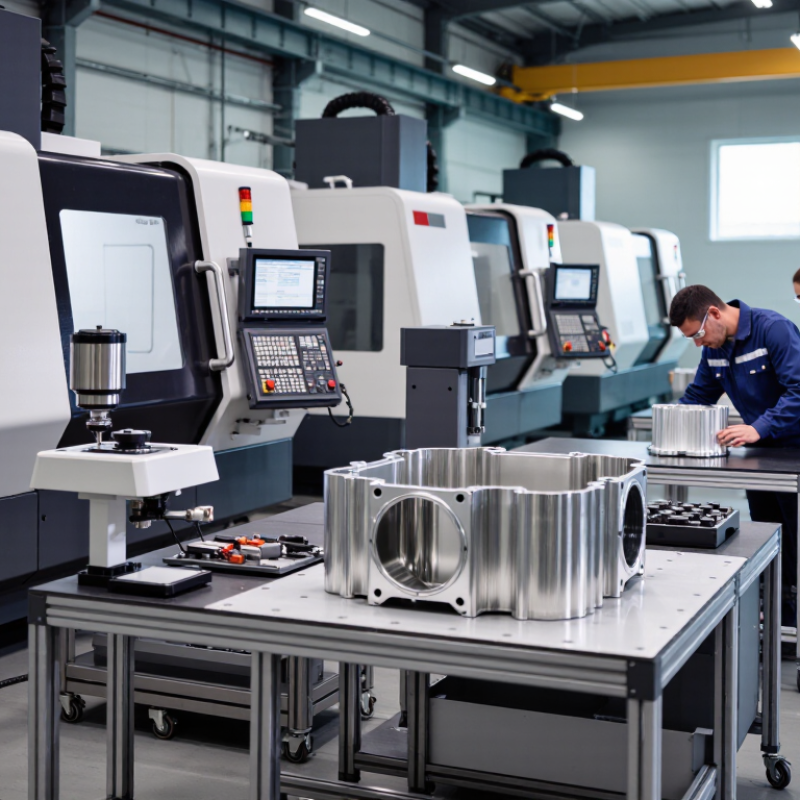
What CNC Precision Machining Means in Global Sourcing
What CNC Precision Machining Means in Global Sourcing
CNC precision machining in global sourcing means producing accurate parts across borders with controlled, repeatable processes. A digital drawing guides cutting, drilling, turning, or milling operations. The machine follows programmed coordinates, while skilled technicians verify critical dimensions. This combination reduces variation between sample parts and production batches. Small errors matter. A misplaced hole can stop an entire assembly.
Global sourcing adds more than shipping distance. Buyers must define materials, tolerances, surface finishes, inspection methods, and packaging requirements before production begins. A reliable supplier should review the drawing and identify difficult features early. For example, a thin aluminum wall may bend during machining. A deep cavity may require special tooling. Practical feedback at this stage can prevent expensive rework. It also shows whether the supplier understands the part, not merely the price.
Quality evidence should travel with the shipment. Measurement reports, material records, calibrated inspection equipment, and clear part identification support traceability. In my experience, simple communication often prevents bigger problems than advanced software. However, no process is perfect. A first article may pass inspection while later batches reveal tool wear or clamping changes. Regular sampling is still necessary. Buyers should question unexplained measurements, request corrective actions, and compare results against the approved drawing. That discipline makes CNC machining a dependable sourcing method rather than a remote purchasing gamble.
How CNC Technology Delivers Consistent Part Accuracy
CNC precision machining supports global sourcing because digital instructions produce repeatable movements across production batches. Accuracy begins with the process, not the machine alone. ISO 230-2 defines methods for measuring positioning accuracy and repeatability in machine tools. These tests expose deviations before they become shipment problems. In practice, a calibrated probe checks a bore, while in-process offsets correct gradual tool wear. The result is measurable consistency.
The scale of automated manufacturing also matters. The International Federation of Robotics reported 541,302 industrial robot installations worldwide in 2023. CNC systems can work within this connected production environment, using inspection data, tool-life records, and controlled programs.
A stable aluminum housing should leave the machine with the same hole location on Monday and Friday. Small differences still happen. Heat changes dimensions. Cutting tools dull. Operators may also load material incorrectly.
That is why experienced suppliers verify critical features with calibrated equipment and record inspection results by batch. A drawing tolerance is not proof of process capability. Statistical process control can reveal drift before a part fails assembly. However, capability indexes depend on reliable measurements and enough samples. This point is often overlooked. For global buyers, shared drawings, inspection plans, and traceable records create clearer evidence than attractive machining claims.
Which Industries Benefit from CNC Precision Machining
CNC precision machining serves industries where accuracy, repeatability, and traceable production matter. Aerospace manufacturers use it for brackets, housings, and structural fittings with tight tolerances. The International Federation of Robotics reported 541,302 industrial robot installations worldwide in 2023. This growth reflects stronger demand for automated, repeatable manufacturing. CNC machining fits that environment well. It can produce complex aluminum, titanium, and stainless-steel parts from consistent digital instructions.
Medical equipment makers also benefit. Surgical tools, diagnostic housings, and implant components often require clean surfaces and controlled dimensions. The World Health Organization’s Global Atlas of Medical Devices reports major differences in device availability between countries. Global sourcing can help qualified manufacturers support regional supply gaps. Automotive and energy companies gain similar advantages. They often need prototypes, replacement parts, and small production batches. CNC systems reduce tooling delays and make design changes easier to test.
However, CNC is not automatically the best choice. A poorly designed part still creates waste, even with advanced equipment. Material selection, inspection methods, surface finish, and shipping conditions need early review. That is where practical supplier experience matters. The 2024 World Manufacturing Forum report highlights digitalization and resilient supply chains as major manufacturing priorities. Yet resilience is not only software. It also means clear drawings, documented inspections, and realistic tolerances. Sometimes, a simpler part is the better part.
What Factors Influence CNC Sourcing Costs and Lead Times
Why Choose CNC Precision Machining for Global Sourcing?
CNC precision machining can make global sourcing more predictable, but price is rarely determined by machine time alone. Material grade, part geometry, tolerance, batch size, and surface finish all influence the quotation. A 0.01 mm tolerance may require slower cutting, extra inspection, and controlled temperature. Tight corners can also demand smaller tools and additional setups. Small details become expensive.
Labor remains a visible cost. The U.S. Bureau of Labor Statistics reported a median annual wage of $48,260 for machinists in its May 2023 Occupational Employment and Wage Statistics. Regional wages, energy prices, and factory utilization therefore affect hourly machining rates. Larger batches usually reduce setup cost per part, while urgent orders may require overtime or schedule changes. That trade-off is easy to underestimate.
Lead time depends on more than production capacity. Material availability, drawing clarification, programming, first-article approval, inspection, packaging, and customs can each add days. The World Bank’s 2023 Logistics Performance Index emphasizes infrastructure, border procedures, and shipment timeliness as major supply-chain factors. Clear drawings and early approvals help. Not always enough. In practice, a low quotation can become costly when finishes, certificates, or rework are excluded. Buyers should compare total landed cost, inspection scope, and realistic delivery windows, not only the machining price.
Why Choose CNC Precision Machining for Global Sourcing?
CNC machining supports repeatable accuracy, flexible production volumes, and consistent quality across international supply chains. The chart below presents a practical planning benchmark for the main factors that influence sourcing cost and lead time. Actual results vary by material, geometry, tolerance, quantity, and shipping route.
How to read this chart: Material and machining time usually represent the largest cost drivers, while material availability and machining complexity commonly have the strongest effect on delivery time. Clear drawings, stable specifications, and consolidated shipments can help reduce both cost and lead time.
