How to Choose the Best Solar Water Heater for Your Needs?
When considering how to choose the best solar water heater for your needs, expert insight can be invaluable. John Miller, a leading figure in the solar water industry, emphasizes, “Choosing the right system can save you money and energy.” This statement encapsulates the importance of understanding your options.
Solar water heaters come in various types, each with unique benefits. For instance, active systems use pumps to circulate water, while passive systems rely on natural circulation. You should evaluate your hot water requirements and the local climate. These factors greatly impact the efficiency and effectiveness of a solar water system.
It is easy to overlook details during the selection process. Not all solar water heaters suit every household. Understanding your household’s specific needs is crucial. Researching expert reviews and user experiences can help inform your decision. Evaluating efficiency ratings and warranty details is equally important. Taking the time to carefully consider these factors can greatly enhance your investment in solar water technology.
Understanding Solar Water Heaters: Types and Technologies
When considering solar water heaters, understanding the types and technologies is essential. There are two main types: active and passive systems. Active systems use pumps to circulate water, making them efficient. They can be further divided into direct and indirect systems. Direct systems work well in warm climates, while indirect systems use antifreeze solutions to prevent freezing in colder areas.
Passive systems rely on natural circulation, making them simpler and cheaper. They are often less efficient than active systems but require less maintenance. Two common designs are thermosiphon and integral collector storage. Thermosiphon systems work by using the natural rise of hot water, while integral collector storage combines storage and heating in one unit.
Choosing the right system hinges on your specific needs and location. Efficiency and cost are significant factors. While active systems may offer better performance, they also involve higher installation costs. On the other hand, passive systems provide simplicity and lower costs but may not meet high-demand needs. Reflect on your hot water usage patterns to find the best match for your situation.
Evaluating Your Hot Water Needs and Usage Patterns
When evaluating your hot water needs, consider your daily consumption patterns. Households with multiple occupants typically require more hot water than single-person homes. According to the U.S. Department of Energy, the average family uses about 64 gallons of hot water daily. Understanding this can guide your solar water heater selection.
Analyze your peak usage times. For example, if your family showers in the morning and runs appliances in the evening, a system with rapid recovery time is essential. Research indicates that homes with consistent usage benefit from systems that store hot water, ensuring availability during these peak hours.
It's crucial to assess the available sunlight in your area. Regions with abundant sun can effectively operate smaller systems, while less sunny areas might need larger units or backup heating. Many homeowners underestimate the impact of location on solar water heating efficiency. A well-planned installation can sometimes fall short if it's not tailored to specific needs and environmental conditions. Understanding your hot water habits can significantly influence the effectiveness of your solar water heater choice.
Key Factors to Consider When Selecting a Solar Water Heater
When choosing a solar water heater, evaluating your specific needs is essential. Start by assessing your household's hot water requirements. Consider the number of residents and daily water consumption. Larger families may need heaters with greater capacity to meet their demands effectively.
Another critical factor is energy efficiency. Review the system's energy output and input ratios. High efficiency means lower energy bills. Look for models that have good insulation and can retain heat during cooler days. It's helpful to compare different technologies, such as flat plate and evacuated tube collectors, to find what works best for your climate.
Installation location also plays a role. Ensure that the area receives adequate sunlight throughout the day. If your roof space is limited, choose a compact model that can fit snugly. Don't forget the maintenance aspects as well. Regular checks can prevent costly repairs. Planning for potential setbacks is wise; you may encounter issues with installation or performance that require adjustments later.
Analyzing Installation Requirements and Space Considerations
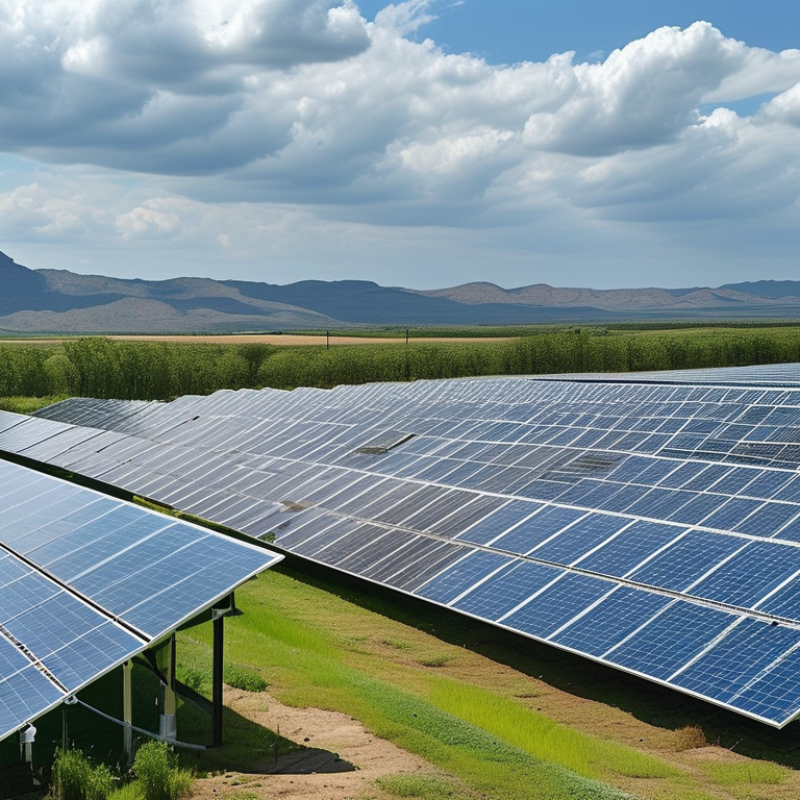
When selecting a solar water heater, installation requirements and space considerations are crucial. Start by assessing the available roof area or garden space. Flat roofs and open grounds often work best for solar panels. Ensure there are no obstructions like trees or buildings that cast shadows. Such obstructions can significantly reduce efficiency.
The type of installation, whether roof-mounted or ground-mounted, affects your choice. Roof-mounted systems require sturdy structures for support and proper angle for sunlight. Ground-mounted systems may need a level plot and could take additional space. Consider the orientation and tilt of the panels. They should ideally face south for maximum exposure.
Reflect on your local climate as well. In areas with limited sunlight, you might need a larger system. This adds to the complexity of installation and overall cost. Lastly, be prepared for maintenance. Regular checks keep the system running efficiently, but access to the unit should be straightforward. Evaluate all these aspects carefully to find a solution that works for your needs.
Assessing Costs, Incentives, and Long-Term Savings Potential
When choosing a solar water heater, costs are a critical factor. The initial investment can be significant. However, assess the long-term savings potential. This often outweighs the initial expense. Calculate how much you'll save on energy bills each month. You may adjust your calculations based on local energy rates. Some regions offer incentives that can substantially reduce upfront costs. Look for local, state, or federal programs that support solar energy installations.
Incentives can make solar heating more accessible. Many places offer tax credits, rebates, or grants. Knowing what’s available in your area can guide your decision. This not only decreases initial costs but also enhances the return on investment. Check if your energy supplier participates in incentive programs. This could boost your savings over time.
Consider maintenance costs as well. While solar water heaters are generally robust, some systems require regular upkeep. Evaluate the long-term maintenance expenses when calculating your total investment. It's crucial to choose a system that fits your budget and energy needs. Explore various options to find what works best for you.
Related Posts
-
Harnessing Solar Water: Innovative Solutions for Sustainable Living in the 21st Century
-
Exploring the Benefits of Water Solar Systems for Sustainable Energy Solutions
-
How to Choose the Best Water Solar Panel for Your Needs?
-

Exploring the Surge of Solar Pumps Demand at the 137th Canton Fair: Insights and Opportunities
-

Ultimate Checklist for Choosing the Best Solar Systems: Key Metrics and Expert Insights
-
The Ultimate Guide to Choosing the Best Solar Well Pump for Efficient Water Management
Contact Details
Address:
Solar Pump Solutions,
Borrisokane, Co. Tipperary, Ireland.