Top 10 Best Solar Pump Systems for Efficient Water Management?

In recent years, the demand for Solar Pump Systems has surged. These systems provide an eco-friendly alternative for water management. According to the Solar Energy Industries Association, solar capacity in the U.S. has grown by over 167% since 2015. More farmers and municipalities seek efficient irrigation solutions.

Solar Pump Systems utilize renewable energy, significantly reducing water management costs. They can operate in remote areas without access to grid electricity. Research from the International Renewable Energy Agency shows that solar pumps can reduce operational costs by up to 50%. Yet, not every system fits all needs. Users must assess water requirements and system size carefully.

While Solar Pump Systems present many advantages, challenges do exist. High initial costs could deter some potential buyers. Additionally, inconsistent sunlight can affect performance in various regions. So, understanding local climate and infrastructure is crucial for success. Investing in the right system requires thoughtful consideration and research.
Top 10 Best Solar Pump Systems for Efficient Water Management?

Overview of Solar Pump Systems and Their Importance in Water Management

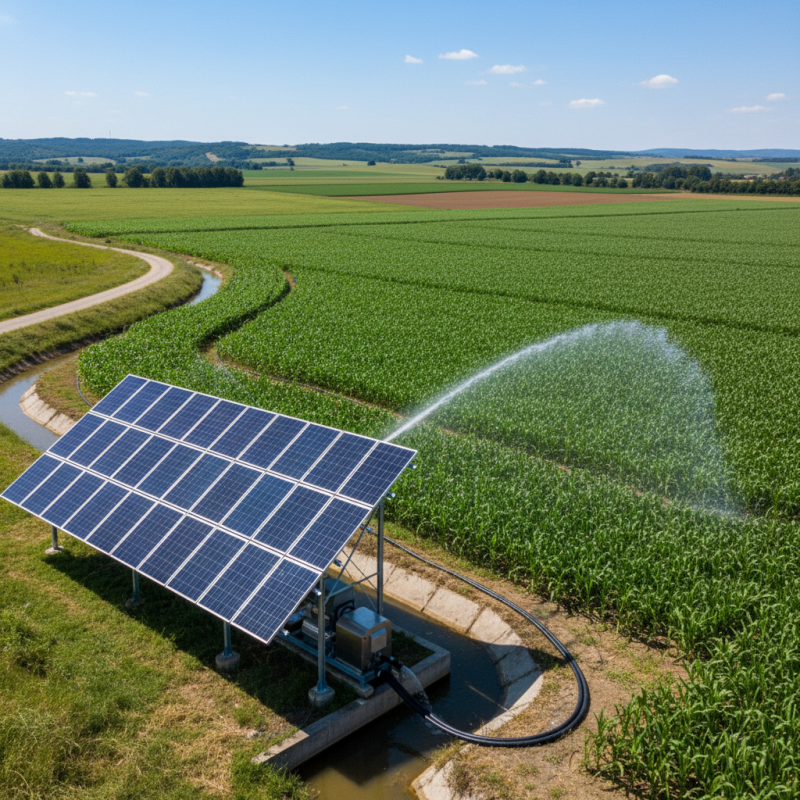
Solar pump systems are gaining attention in water management. These systems harness solar energy to pump water efficiently. They are particularly useful in remote areas where access to electricity is limited. Solar pumps can significantly reduce dependency on fossil fuels. They offer a sustainable solution for irrigation, drinking water, and livestock needs.

When considering a solar pump, it’s essential to assess your water needs. Understand your daily consumption. A system that is too small may not deliver adequate water. On the other hand, an oversized system could lead to needless expenses.

Remember to choose the right location for your solar panels. They should be positioned where they receive maximum sunlight. Shade can dramatically reduce efficiency. Also, think about maintenance. Periodic cleaning is required to keep the panels running well.

Incorporating these systems can help conserve water. Use timers to optimize usage. Overwatering can waste both water and energy. Design your setup thoughtfully to ensure efficiency and sustainability.
Key Features to Consider When Selecting a Solar Pump System

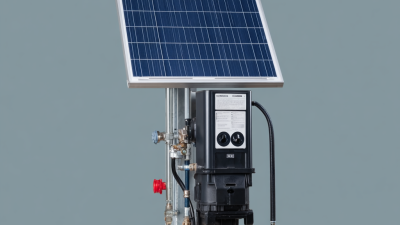
When selecting a solar pump system, several key features are vital. First, consider the power source. Solar pumps rely on solar panels, so ensure you choose panels that match your water needs. A well-sized solar array makes the system efficient. Regularly assess your energy requirements for optimal performance.

Another essential feature is the pump type. There are surface pumps and submersible pumps. Each serves specific applications. Surface pumps work for shallow water, while submersible pumps are ideal for deeper wells. Your local water source determines the best option. Make sure to evaluate your setup carefully.

Tips: Pay attention to the flow rate. Ensure it meets your water demand. An inadequate flow rate can lead to problems. Some users choose a larger pump than needed, hoping for surplus water. This can waste energy.

Additionally, check for durability. Solar pumps face outdoor conditions. Look for materials resistant to corrosion and wear. While cheaper options may appeal, their longevity might be questionable. Be mindful of maintenance requirements as well. Regular checks can prevent breakdowns during crucial times.

Top 10 Solar Pump Systems: A Comparative Analysis

Top 10 Best Solar Pump Systems for Efficient Water Management?

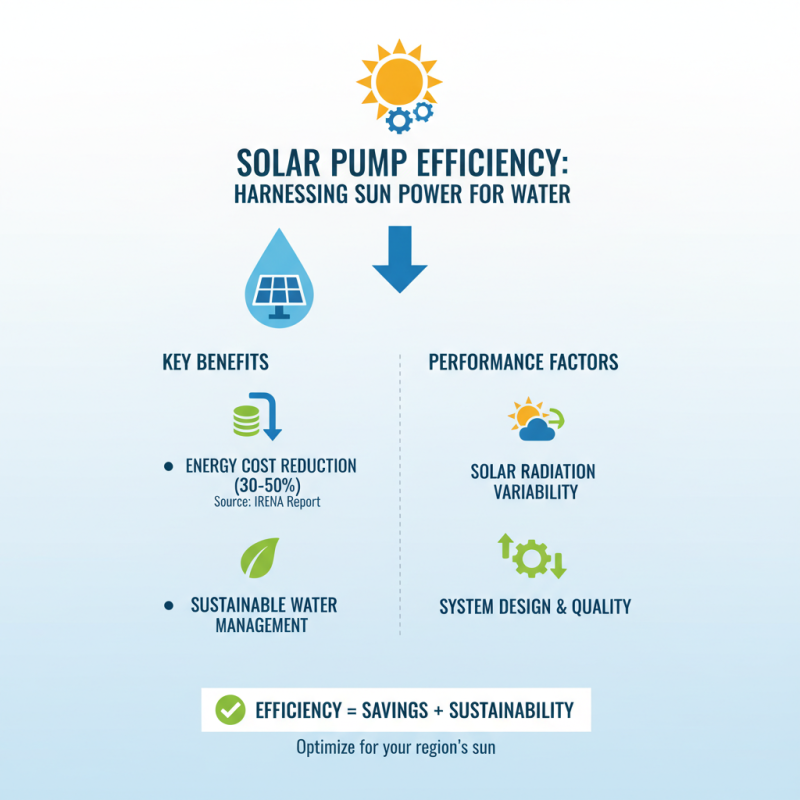
When evaluating solar pump systems, efficiency is key. A recent report from the International Renewable Energy Agency (IRENA) states that solar-powered pumps can reduce energy costs by 30-50%. This statistic highlights their potential for effective water management in agricultural practices. However, not all systems perform equally. Variability in solar radiation across regions influences the performance of these pumps significantly.

In hot, arid climates, some systems operate at peak efficiency. Others struggle, providing only minimal output during cloudy periods or lower sun angles. According to a study by the World Bank, a project in sub-Saharan Africa revealed that over 40% of solar pump installations faced challenges due to suboptimal design and installation practices. These design flaws can diminish the expected benefits.

Selecting the right system involves more than just initial costs. Maintenance and operational efficiency are equally, if not more, important. The failure to regularly check and maintain solar panels can lead to a decline in efficiency over time. This aspect should not be overlooked; it can drastically impact water management success. Adaptability to local conditions is crucial. A generic approach may not yield the most favorable results in varied environments.

Maintenance Tips for Enhancing the Efficiency of Solar Pumps

Maintaining solar pump systems is crucial for efficient water management. Regular checks and maintenance enhance performance and longevity. Data from the International Renewable Energy Agency reveals that well-maintained solar systems can increase efficiency by 15-25%. It is essential to remain proactive.

Cleaning the solar panels regularly will maximize sunlight absorption. Dust and debris can reduce efficiency by up to 30%. Use a soft brush or cloth for cleaning. In addition, checking for any shading from nearby trees or structures is important. This can directly impact performance.

Another point to consider is the water quality. Sediments and debris can clog the pump. Regularly inspect filters and replace them as needed. This simple action can prevent larger issues down the line. Observations show that systems neglecting water quality often face pump failures within their first few years of operation. By addressing this, you enhance both the efficiency and lifespan of your solar pump.

Future Trends in Solar Pump Technology for Water Management

The future of solar pump technology looks promising as we navigate water management challenges. Solar pumps offer a sustainable solution for irrigation, drinking water, and waste management. According to a recent report by the International Renewable Energy Agency (IRENA), the global solar pump market is expected to grow at a compound annual growth rate of 16% by 2030. This growth is driven by the increasing need for efficient water management solutions in agriculture and urban areas.

Emerging trends show a shift towards smart solar pump systems. These systems integrate advanced monitoring and control technologies. They allow for precise water distribution based on real-time data. However, there are still significant hurdles. Many existing systems lack interoperability, meaning they cannot communicate effectively with other devices. This gap limits their efficiency. Also, maintenance remains a considerable challenge, especially in remote locations.

Furthermore, innovations in battery storage are crucial. Enhanced energy storage can better regulate pump operation during low sunlight hours. Reports suggest that efficient storage systems can increase water supply reliability by 40%. As the technology evolves, it will be crucial to address these imperfections. The path to optimized solar pump systems depends on further research and collaboration among stakeholders.

Contact Details

Address:

Solar Pump Solutions,
Borrisokane, Co. Tipperary, Ireland.

Phone:

+353 86 1216312

Email:

sale@desasolar.com

Connect with us

Scroll to Top
Solar Pump Solutions
Privacy Overview

This website uses cookies so that we can provide you with the best user experience possible. Cookie information is stored in your browser and performs functions such as recognising you when you return to our website and helping our team to understand which sections of the website you find most interesting and useful.