What Is the Best Solar Installation Type in 2026?

In 2026, the best Solar Installation will depend on the site, budget, and energy goals. No single system suits every roof, field, or household. A shaded roof may lose production before the first bill arrives. Small details matter.

IRENA’s Renewable Capacity Statistics 2025 reported about 452 gigawatts of new solar capacity added worldwide in 2024. Solar represented nearly 78% of all renewable capacity additions that year. The IEA’s Renewables 2024 report also expects solar PV to drive most global renewable growth through 2030. These figures show strong momentum, but they do not identify one universally superior installation type.

Fatih Birol, Executive Director of the International Energy Agency, said, “Solar PV is the cheapest source of electricity in history.” His statement supports solar’s economic case, not every project design. Rooftop systems can use unused space and reduce electricity purchases. Ground-mounted arrays often deliver easier maintenance and better orientation. Community solar can serve renters and households without suitable roofs. Agrivoltaic projects may combine electricity with crops, although farming conditions can become more complicated. Batteries add resilience, but they increase upfront costs and require careful sizing.

The practical answer begins with a site assessment. Measure shading, roof age, soil conditions, grid capacity, local tariffs, and future electricity demand. A homeowner may value simple installation and predictable savings. A developer may prioritize land efficiency and interconnection speed. This framework is useful, but incomplete. I may overvalue financial payback when backup power matters more during outages. Real-world performance can also differ from forecasts. The best choice is the installation that remains reliable after weather, maintenance, and changing energy needs are honestly considered.
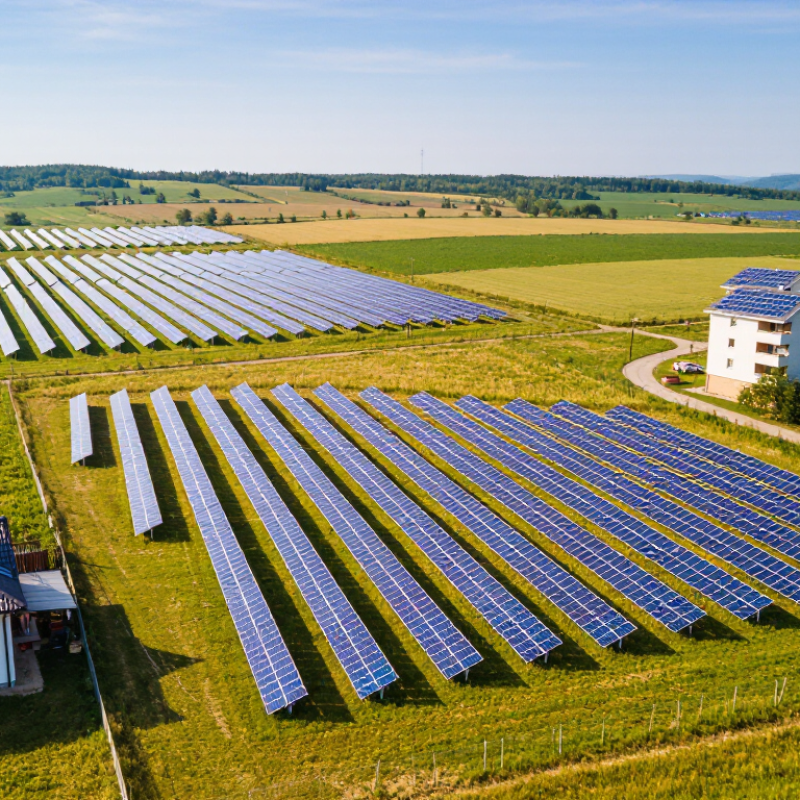
What Is the Best Solar Installation Type in 2026?

Solar Installation Types Available in 2026

Solar Installation Types Available in 2026

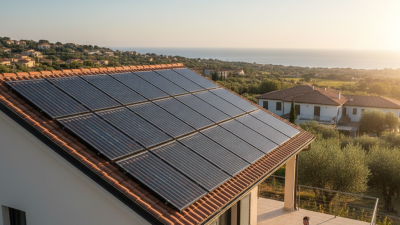
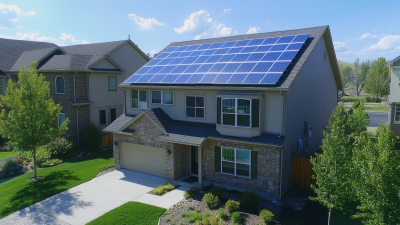
In 2026, rooftop grid-tied systems remain practical for homes with steady daytime electricity use. They send excess power to the utility network, depending on local connection rules. A typical assessment checks roof age, shade, pitch, wiring, and structural strength. A south-facing roof is useful, but it is not always essential. East-west layouts can spread production across morning and afternoon. This detail is often overlooked.

Hybrid systems combine solar panels, a battery, and grid access. They suit households that want backup power during outages. Battery size should match essential loads, not every appliance in the house. A refrigerator, router, lights, and medical equipment need different planning. Oversizing the battery can increase cost without improving daily value. Storage also needs a cool, ventilated location. Small errors matter.

Off-grid installations use batteries, charge controls, and sometimes another approved energy source. They require careful estimates for winter sunlight and peak demand. Ground-mounted arrays can work when roofs are shaded or weak, although they need clear land and secure foundations. Community solar may help renters access shared generation without owning equipment. However, contract terms and bill credits require close reading. I would not choose one type from panel output alone. An installer’s measured shade report and twelve-month usage history provide better evidence, though even these records can miss future changes in household demand.

How Each Solar Installation Type Works

What Is the Best Solar Installation Type in 2026?

A grid-tied rooftop system is the most common installation type. Roof-mounted panels convert sunlight into direct current. An inverter changes it into household alternating current. Extra electricity flows through the meter and may earn bill credits, depending on local rules. During a power outage, standard grid-tied systems usually stop working. This safety feature protects utility workers.

A hybrid system adds batteries and smarter energy controls. The battery stores midday solar power for evening cooking, cooling, or limited backup loads. A ground-mounted array works similarly, but its adjustable angle can improve sunlight exposure. It also needs usable land, stronger foundations, and careful drainage. Off-grid systems require larger batteries, charge controls, and backup planning. They are useful for remote cabins, but poor sizing can create winter shortages. No design is perfect.

IRENA reported 1,419 gigawatts of global solar capacity at the end of 2023 in Renewable Capacity Statistics 2024. The IEA’s Renewables 2024 report also identifies solar PV as the leading source of new renewable capacity growth. These figures support solar’s scale, not a universal installation choice. Roof shade, local weather, electricity tariffs, and battery prices still matter.

Tips: Ask for a site-specific production estimate. Check winter output, not only annual totals. Review inverter shutdown behavior, battery warranties, roof age, and maintenance access. A professional assessment should show assumptions clearly. Small errors in shading estimates can change the payback period.

Key Factors for Comparing Solar Installation Options

What Is the Best Solar Installation Type in 2026?

Key Factors for Comparing Solar Installation Options

The best solar installation type depends on the property, energy use, and local conditions. Rooftop systems usually use existing space and require less land preparation. However, an aging roof can create extra labor and removal costs later. Roof condition matters.

Ground-mounted systems often provide easier maintenance and flexible panel positioning. They may produce more energy when trees shade the building. However, they need clear land, stronger foundations, and careful drainage planning. Local permits can also limit their height or location. Shade changes everything.

Solar carports can generate electricity while covering parking areas. They may suit commercial sites, apartments, and homes with limited roof space. Their structure often costs more than a standard rooftop installation. Battery storage adds another comparison point. It can support evening use, but its value depends on tariffs, outages, and daily consumption.

A reliable comparison should examine annual sunlight, roof orientation, structural strength, wiring distance, and future electricity demand. Ask installers for a written production estimate and assumptions. Check whether those estimates include seasonal shading. My early checklists often focused too heavily on panel capacity. That was a mistake. Installation access, repair space, and local inspection requirements can affect real-world performance. A slightly smaller system may work better when it is easier to maintain and properly matched to household usage.

Best Solar Installation Types for Different Property Needs

What Is the Best Solar Installation Type in 2026?

Best Solar Installation Types for Different Property Needs

The best solar installation depends on roof condition, available land, energy use, and local planning rules. Roof-mounted systems suit homes with strong, unshaded roofs and limited yard space. A south-facing roof often performs well, but roof direction is not the only factor. Chimneys, vents, snow, and nearby trees can reduce production. A professional site assessment should check structural strength, wiring routes, fire access, and future roof repairs. Small details matter.

Ground-mounted solar works better for large rural properties or homes with shaded roofs. Panels can be positioned for improved sunlight and easier maintenance. However, this option needs clear land, secure foundations, drainage planning, and suitable permits. Solar carports provide another practical choice for commercial sites, apartment buildings, and large driveways. They create electricity while shading vehicles and protecting them from rain. Their taller structures may cost more and require stronger engineering.

For renters, shared or community solar may offer access without installing panels on a private building. Availability, contract terms, and local regulations require careful review. Battery storage can support homes with outages or evening electricity use, but it adds cost, weight, and maintenance needs. I have seen projects choose the cheapest layout and later regret poor access for cleaning. That mistake is easy to miss. A slightly smaller system, designed around actual consumption and future changes, can sometimes perform better than a larger installation.

What Is the Best Solar Installation Type in 2026? - Best Solar Installation Types for Different Property Needs

Solar Installation Type Best Suited For Typical System Size Space Requirement Energy Storage Compatibility Main Advantages Key Limitations
Grid-Tied Rooftop Solar Detached homes, townhouses, offices, retail buildings, and facilities with a suitable roof Residential: approximately 3–15 kW
Commercial: approximately 25 kW–1 MW
Approximately 70–120 square feet of roof area per kW, depending on module efficiency and layout High; batteries can be added, although a standard grid-tied system normally shuts down during a grid outage Uses otherwise unused roof space, usually has a relatively small land footprint, and can reduce daytime electricity purchases Roof age, shading, structural capacity, orientation, and local permitting can affect feasibility and output
Ground-Mounted Solar Rural properties, farms, large homes, schools, and businesses with open land Approximately 10 kW to several megawatts A 10 kW system commonly requires about 500–1,000 square feet, depending on row spacing, terrain, and equipment access High; batteries and backup controls can be integrated into the design Flexible orientation and tilt, easier maintenance access, and no dependence on roof condition Requires usable land, more trenching and site preparation, and may involve additional zoning or environmental approvals
Solar Carport or Canopy Commercial parking lots, apartment communities, campuses, hospitals, and large residential driveways Approximately 50 kW to several megawatts Uses existing parking or vehicle areas; capacity depends on parking count, canopy height, and design High; can be paired with batteries and electric vehicle charging infrastructure Produces electricity while providing shade and weather protection; can support on-site vehicle charging Higher structural and construction costs than many rooftop systems; requires drainage, lighting, and clearance planning
Hybrid Solar Plus Battery Properties with outage concerns, critical loads, time-of-use electricity rates, or limited grid reliability Solar capacity varies by site; battery capacity is commonly selected by usable kWh and backup-load requirements Requires solar mounting area plus indoor or outdoor space for battery equipment and required clearances Very high; designed specifically for load shifting, backup power, and energy management Can provide backup power, store excess solar generation, and reduce reliance on electricity during expensive periods Higher upfront cost, finite battery life, and backup duration depends on battery size and household or facility demand
Community Solar Subscription Renters, shaded properties, apartment residents, and customers unable to install equipment on-site Customer allocation is usually measured as a share of a larger off-site project rather than a private system size Little or no on-site space required Usually low for the individual subscriber; storage is managed at the project level when available Accessible without owning a roof or property; avoids on-site construction and maintenance responsibilities Does not provide direct on-site backup power; availability, contract terms, and bill-credit rules vary by location
Building-Integrated Solar New construction, major renovations, façades, skylights, and architectural projects with design requirements Project-specific; capacity depends on the available building surface and the selected integrated materials Integrated into roofs, façades, glazing, or other building elements rather than installed as a separate array Moderate to high; battery integration depends on the electrical design and available equipment space Combines energy generation with a building component and can support architectural or planning objectives More complex design, specialized installation, potential repair challenges, and often higher project costs

Note: System-size, area, and performance ranges are general planning estimates. Actual results depend on solar resource, roof or land conditions, module efficiency, shading, local regulations, electricity demand, and interconnection requirements.

How to Choose the Right Solar Installation Type in 2026

The best solar installation type in 2026 depends on your property, energy habits, and local regulations. Begin with a professional site assessment. Check roof age, direction, pitch, shade, structural condition, and available space. Shade changes everything. A rooftop grid-connected system often suits homes with sound roofs and steady daytime electricity use. It usually costs less than a battery-based design, but it may not power essential appliances during outages.

A hybrid system with battery storage can suit households needing evening energy or backup power. Review your daily load carefully, including heating, cooling, cooking, and electric vehicles. More equipment means higher costs, maintenance, and installation complexity. A ground-mounted array may produce better results when the roof is shaded or unsuitable. However, it requires usable land, secure mounting, drainage planning, and additional approvals. Community solar can be practical for renters or apartments without suitable roof access.

Do not accept production estimates blindly. Real trees grow, panels collect dust, and household use changes. Measure twice. Ask qualified installers about electrical inspections, permits, monitoring, maintenance access, equipment warranties, and expected annual output. Compare several detailed proposals rather than choosing the lowest price. I would also leave room for uncertainty, because weather and future electricity demand cannot be predicted perfectly. The right installation is the one that matches your site, budget, resilience needs, and realistic long-term expectations.

What Is the Best Solar Installation Type in 2026?

Compare representative U.S. planning benchmarks to choose the right solar installation type for your property, energy needs, and backup requirements.

How to read this chart: Grid-tied rooftop systems typically offer the simplest installation, while hybrid rooftop systems add battery backup. Ground-mounted systems can provide more capacity when suitable land is available. Community solar is useful for households without a suitable roof. Annual generation is estimated at approximately 1,350 kWh per installed kW-year; actual results vary by location, orientation, shading, weather, and system losses.

Contact Details

Address:

Solar Pump Solutions,
Borrisokane, Co. Tipperary, Ireland.

Phone:

+353 86 1216312

Email:

sale@desasolar.com

Connect with us

Scroll to Top
Solar Pump Solutions
Privacy Overview

This website uses cookies so that we can provide you with the best user experience possible. Cookie information is stored in your browser and performs functions such as recognising you when you return to our website and helping our team to understand which sections of the website you find most interesting and useful.